


Does a keratin or straightening treatment break hair off long term?
KERATIN TREATMENT on 26th Dec 2025
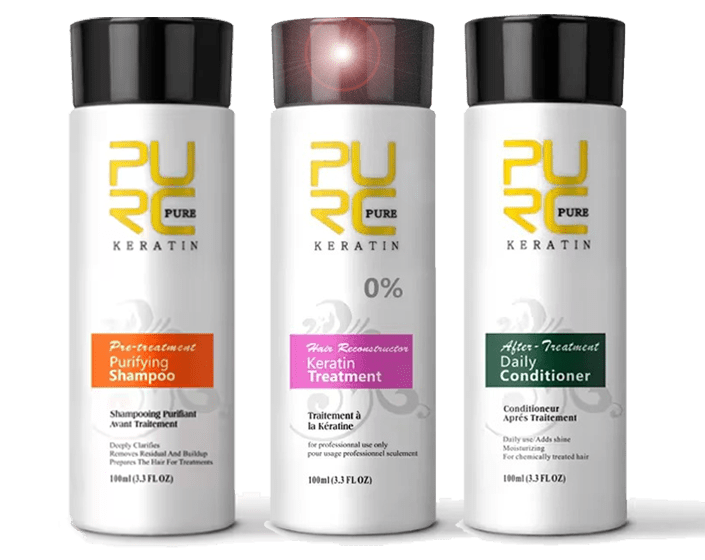
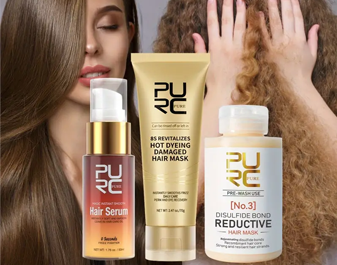
Do Keratin or Hair Straightening Treatments Cause Breakage Long-Term?
Keratin and hair straightening treatments are often praised for delivering sleek, frizz-free results—but many people wonder: can these treatments actually cause long-term damage or breakage? The short answer is: yes, under certain conditions, they can weaken the hair and contribute to breakage over time. The overall risk depends on the treatment type, application method, hair condition, and frequency of use.
Keratin Treatments
What They Do
Keratin treatments work by coating the hair shaft with a protein layer, helping to smooth the cuticle, reduce frizz, and enhance shine. They are typically semi-permanent and last around 3 to 6 months.
How They Can Cause Damage
- High Heat: Treatments require flat ironing at high temperatures to seal the keratin, which can dry out and weaken hair over time.
- Chemical Exposure: Many keratin formulas contain formaldehyde or related compounds, which can contribute to brittleness or dryness.
- Overuse: Frequent treatments (more than 2–3 times per year) can lead to cumulative damage, especially on already-processed or fine hair.
Long-Term Effects
While keratin itself is not damaging, repeated exposure to heat and certain chemicals can cause weakened, brittle ends and increased breakage. The treatment typically affects the hair shaft—not the follicle—so new growth is usually healthy after discontinuing the treatment.
Chemical Hair Straightening
This category includes relaxers, Japanese thermal reconditioning, and rebonding. These processes work by breaking and reforming the internal disulfide bonds in hair, permanently altering its texture.
Risks of Long-Term Damage
- Structural Weakening: These treatments fundamentally change the protein structure of hair, which can lead to long-term brittleness and dryness.
- Breakage Over Time: Especially with repeated touch-ups, chemically straightened hair often becomes prone to split ends and mid-shaft breakage.
- Scalp Sensitivity: Harsh chemicals used in some relaxers can also irritate or damage the scalp over time.
Keratin vs. Chemical Straightening
| Treatment Type | Alters Hair Structure? | Risk of Breakage | Longevity |
|---|---|---|---|
| Keratin Smoothing | No | Moderate (depends on heat/chemical exposure) | Semi-permanent (3–6 months) |
| Chemical Straightening | Yes (breaks/rebuilds protein bonds) | High (especially with repeated use) | Permanent (until regrowth) |
How to Reduce Breakage Risk
- Limit treatments to a few times a year—more is not better.
- Ask for lower-heat sealing when possible.
- Opt for formaldehyde-free or low-formaldehyde formulas.
- Incorporate deep-conditioning and protein treatments into your haircare routine.
- Be cautious if your hair is already bleached, fine, or chemically treated.
Final Takeaway
Keratin treatments and chemical straighteners can both lead to long-term hair breakage if overused or misapplied—though the causes are different. Keratin treatments rely on heat and may contain chemicals that dry the hair out over time. Chemical straighteners go further by permanently altering the internal structure of the hair, increasing the risk of breakage with each use. The good news? With proper care, moderation, and product selection, many people can enjoy the smoothing effects of these treatments while keeping their hair healthy.