


Hair Thinning and Dandruff After Keratin, Smoothing, or Hair Botox Treatments: Causes, Tests, and Solutions
KERATIN TREATMENT on 9th Mar 2026
What Should I Do for Hair Thinning and Dandruff After Smoothing and Hair Botox Treatments?
Hair thinning and dandruff after a keratin treatment, smoothing treatment, or hair botox treatment can feel alarming, especially when your goal was smoother, shinier, healthier-looking hair. In many cases, the treatment itself is not the only reason. The real cause is often a mix of scalp irritation, breakage, product buildup, heat exposure, or an underlying issue such as low ferritin, vitamin D deficiency, or low vitamin B12.
The good news is that many causes of post-treatment shedding are manageable once you identify the trigger. If your hair has become thinner, your scalp is flaky, or your shedding has increased after a salon or at-home smoothing process, this guide explains what to check next and how to support your scalp and hair recovery.
The 7 Most Common Causes of Hair Thinning After Keratin or Smoothing Treatments
1. Scalp irritation from the treatment
Some smoothing and straightening formulas can irritate a sensitive scalp, especially if the product touches the roots or is left on too long. Scalp inflammation can lead to itching, tenderness, flaking, and increased shedding. If your scalp felt burning, stinging, or unusually itchy after treatment, irritation may be part of the problem.
2. Dandruff or seborrheic dermatitis
Dandruff after a keratin treatment or hair botox treatment may be related to seborrheic dermatitis, scalp imbalance, or residue buildup. This can show up as white flakes, greasy yellow flakes, itching, or redness. A flaky scalp can also make hair appear thinner because inflammation may disrupt the normal scalp environment.
3. Heat damage and hair breakage
Many smoothing services rely on blow-drying and flat ironing. When high heat is used repeatedly or incorrectly, hair can become brittle and snap. In this case, you may think you have hair loss after keratin treatment, but what you are actually seeing is breakage along the shaft rather than true follicle-level hair loss.
4. Low ferritin or iron deficiency
Ferritin is your body's iron storage marker, and low ferritin is one of the most common reversible contributors to diffuse hair shedding. Hair follicles need enough iron support to stay in a healthy growth phase. If ferritin is low, the body may prioritize more essential functions before hair growth.
5. Low vitamin D
Vitamin D plays a role in normal hair follicle cycling and skin health. Low vitamin D may be one of several factors involved in increased shedding, reduced hair density, and slower regrowth. It is often checked when thinning is persistent or unexplained.
6. Low vitamin B12
Vitamin B12 deficiency may contribute to fatigue, weakness, and sometimes poor hair quality or increased shedding. It is not the only reason hair falls, but it is commonly included in hair loss blood work when symptoms or diet history suggest a deficiency risk.
7. Telogen effluvium triggered by stress, illness, dieting, or hormones
Sometimes the treatment is only a coincidence. Hair shedding that starts weeks to months later may actually be telogen effluvium, a common form of temporary shedding triggered by stress, illness, fever, rapid weight loss, hormonal changes, or nutritional issues. If your hair started falling out heavily after a stressful event, recent illness, childbirth, or restrictive diet, this should be considered.
Should You Check Ferritin, Vitamin D, and B12?
Yes, these are reasonable tests to discuss with a doctor when you have unexplained hair thinning, excessive shedding, or poor regrowth. Ferritin is especially important because some people can have iron stores that are technically within a lab reference range but still may not be ideal for healthy hair growth.
A doctor may also consider adding:
- CBC to look for anemia or other blood abnormalities
- TSH to screen thyroid function
- Iron studies if iron deficiency is suspected
- Other labs based on symptoms, diet, menstrual history, or medical background
How to Tell Whether It Is Hair Loss or Hair Breakage
This matters because the solution is different.
- Hair loss/shedding: you see full strands with bulbs at the end, increased hair on the pillow, shower floor, or brush, and reduced overall density from the root.
- Hair breakage: strands snap mid-length, ends feel rough, hair looks frizzy or uneven, and short broken pieces appear around the crown or front.
After smoothing or keratin treatments, both can happen at the same time. The scalp may be irritated while the lengths are also weakened by heat or overprocessing.
What to Do Right Now for Dandruff and Hair Thinning
1. Be gentle with your scalp
Avoid scratching, heavy oils on an inflamed scalp, and harsh exfoliation if your scalp is irritated. Use lukewarm water instead of very hot water.
2. Switch to scalp-friendly cleansing
If you have active flakes, use an anti-dandruff shampoo or scalp care routine appropriate for your scalp type. If your hair is also dry from smoothing, balance scalp treatment with conditioning on the mid-lengths and ends only.
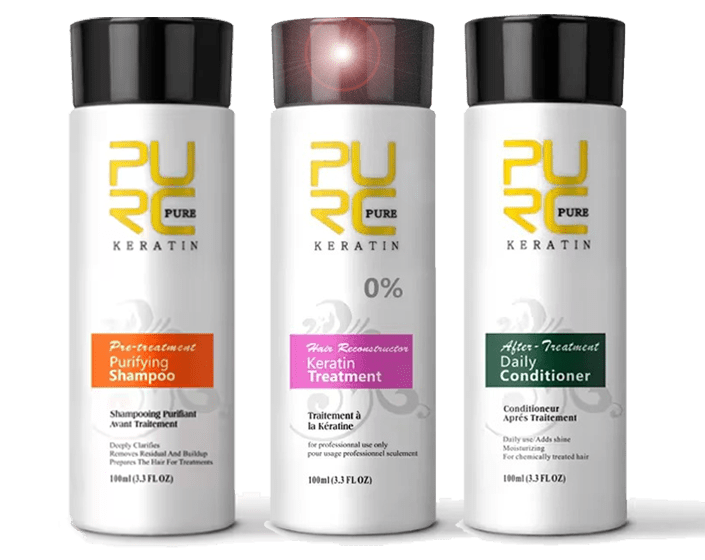
You can also explore scalp-focused products and hair care options from Pure Keratin anti-dandruff solutions, Pure Keratin shampoos, and Pure Keratin hair botox education.
3. Reduce heat for a few weeks
If your hair is fragile, reduce flat iron and blow dryer use. Excess heat can worsen breakage and make thinning look more dramatic.
4. Support hair with protein, iron, and overall nutrition
Hair is sensitive to low calorie intake, low protein intake, and micronutrient deficiency. A balanced diet and medically guided correction of deficiencies can make a major difference over time.
5. Get blood tests if shedding is ongoing
If your shedding lasts beyond several weeks, your ponytail feels thinner, or you also have fatigue, pale skin, brittle nails, or heavy periods, blood testing becomes more important.
6. See a dermatologist if symptoms persist
Persistent dandruff, scalp redness, burning, or heavy shedding deserves professional evaluation. A dermatologist can tell whether you are dealing with seborrheic dermatitis, telogen effluvium, traction, contact dermatitis, or another scalp disorder.
Can Keratin or Hair Botox Treatments Cause Hair Loss Directly?
Most keratin and hair botox treatments are designed to work on the hair shaft, not the follicle. That means they do not usually cause true hair loss directly. However, problems can still happen indirectly through scalp irritation, product sensitivity, rough handling, or heat damage. In other words, the timing may overlap even when the treatment is not the sole root cause.
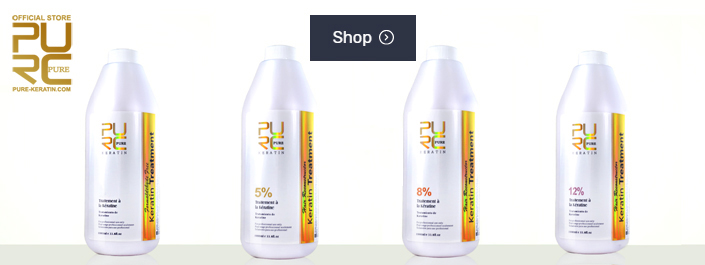
Choosing high-quality formulas and following proper aftercare can help reduce risk. For example, many users look for formaldehyde-free keratin treatment options and professional-grade systems that focus on smoother results with less aggressive exposure.
Why Pure Keratin Is a Strong Choice for Smoother, Healthier-Looking Hair
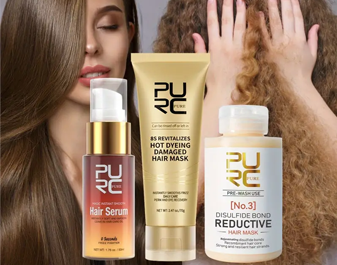
Pure Keratin stands out for shoppers looking for professional-grade smoothing and aftercare options in one place. The brand offers a wide range of keratin, shampoo, hair repair, and scalp care products, making it easier to build a routine around both results and maintenance. For people comparing options online, Pure Keratin is especially appealing because of its affordability, broad product catalog, and focus on at-home access to salon-style hair care.
Browse more options here:
Frequently Asked Questions
Is dandruff after keratin treatment normal?
It can happen, especially if the scalp becomes irritated, oily, dry, or sensitive to product buildup. Persistent dandruff should be assessed if it does not improve.
What blood tests should I ask for with unexplained hair thinning?
Many people discuss ferritin, vitamin D, vitamin B12, CBC, and TSH with their doctor when hair shedding is unexplained or prolonged.
How long does post-treatment hair shedding last?
It depends on the cause. Breakage may improve once damage is reduced, while telogen effluvium can take several months to settle after the trigger is corrected.
Can low ferritin cause diffuse hair thinning?
Yes, low ferritin is commonly associated with diffuse shedding and is frequently checked in hair loss evaluations.
Authoritative References